How AI and Automation Are Transforming Small Business Accounting
How AI and Automation Change the Game
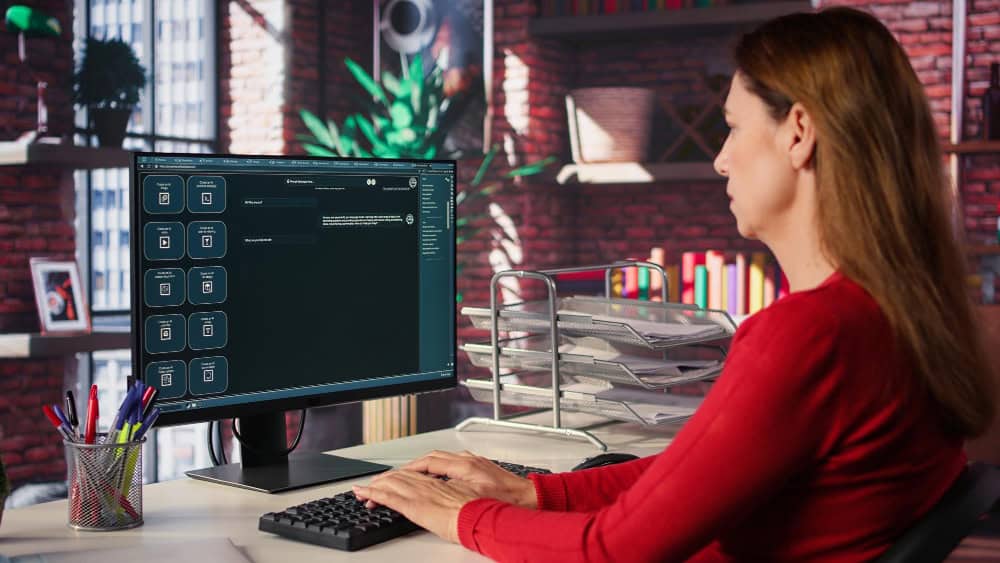
Modern accounting technology is solving many of these challenges by bringing automation and intelligence into financial systems.
Instead of manually entering transactions and reviewing reports months later, businesses can now use cloud platforms that automatically record, categorize, and analyze financial data in real time.
These systems can connect directly to bank accounts, credit cards, payment processors, and payroll platforms. Transactions flow into the accounting system automatically, reducing manual work and minimizing errors.
Artificial intelligence then helps interpret that information.
For example, AI tools can:
- categorize expenses based on historical patterns
- detect unusual transactions that may require review
- identify missing documentation
- generate financial summaries automatically
This technology creates a powerful advantage for both accountants and clients. Instead of spending time entering data, accountants can focus on analyzing the information and providing strategic advice.
The goal is not simply faster bookkeeping.
The goal is better financial decision-making.
Real-Time Financial Visibility
One of the biggest benefits of automation is visibility.
In the past, many business owners only understood their financial situation once a year when their accountant delivered financial statements. By then, the numbers reflected history rather than current reality.
Cloud accounting systems provide continuous insight into key financial metrics.
Business owners can see:
- current revenue trends
- outstanding invoices
- expense patterns
- available cash flow
This visibility is especially important for companies that experience cash flow fluctuations.
For example, service businesses often face delays between completing work and receiving payment. Without proper financial monitoring, a profitable business can still experience cash shortages while waiting for receivables to arrive.
Automation tools help track these patterns early, allowing business owners and advisors to adjust payment policies, control expenses, or secure financing before problems escalate.
Instead of reacting to financial surprises, businesses can anticipate them.
Better Tax Planning Through Data
The most powerful impact of AI and automation appears in tax planning.
Effective tax planning requires accurate and timely financial information. Without reliable data, it is impossible to evaluate compensation strategies, investment decisions, or corporate structures.
Modern accounting systems provide clean, organized financial records throughout the year. This allows tax advisors to review financial performance regularly and identify opportunities to reduce taxes.
For example, proactive tax planning may involve:
- adjusting salary versus dividends
- accelerating or deferring expenses
- optimizing corporate investment strategies
- restructuring ownership for long-term tax efficiency
When these decisions are made during the year rather than after year-end, they can significantly reduce a business owner’s tax burden.
Smart accounting systems also support more advanced strategies, such as retirement planning, investment structuring, and corporate reorganizations.
The key advantage is timing.
Good data allows accountants to provide advice when it matters most.
Reducing CRA Audit Risk
Another major benefit of automation is improved compliance and documentation.
The CRA increasingly relies on data analysis to identify potential audit targets. Inconsistent financial reporting, unusual expense claims, and discrepancies between income and bank deposits can quickly trigger a review.
Automation tools help maintain accurate records and flag inconsistencies early. For example, systems can identify transactions that do not match typical patterns or detect missing documentation for certain expenses.
These early warnings allow accountants to correct issues before tax returns are filed.
Proper documentation is particularly important for deductions such as vehicle expenses, travel, and home office claims. Without detailed records, these deductions are often denied during CRA reviews.
By maintaining organized digital records and consistent bookkeeping, businesses can significantly reduce their audit risk.
For firms like Dexado, this technology complements years of CRA audit experience. Financial systems can highlight potential issues, while experienced advisors interpret the data and ensure returns are prepared in a way that withstands scrutiny.
This combination of technology and expertise provides powerful protection.
The Role of the Modern Accountant
As automation becomes more common, the role of accountants is evolving.
Traditional accounting focused on recording transactions and preparing tax returns. Today, technology handles much of the mechanical work.
This shift allows accountants to spend more time on advisory services — helping clients interpret financial data and make strategic decisions.
Modern accountants act as financial partners.
They help business owners:
- design tax strategies
- plan investments and retirement
- manage risk
- optimize corporate structures
- prepare for business growth or exit
This proactive approach transforms accounting from a compliance task into a strategic advantage.
Instead of simply reporting numbers, accountants help shape the financial future of the business.
How Dexado Combines Technology and Expertise
At Dexado Accounting & Tax, technology is only one part of the equation.
Cloud accounting platforms and automation tools help organize financial data and provide real-time insights. But the real value comes from interpreting that information through the lens of tax planning and CRA audit protection.
Led by Boris Davidkov, a CPA and former CRA auditor, Dexado applies insider knowledge of how the tax authority evaluates financial records and tax filings.
This experience helps clients structure their financial systems and tax strategies to minimize risk and maximize savings.
The firm’s approach combines:
- cloud-based bookkeeping and automation
- proactive tax planning throughout the year
- strategic advisory for business growth
- CRA audit protection and representation
The goal is simple: help business owners reduce stress, reduce taxes, and operate with confidence.
The Future of Accounting
Accounting is no longer just about preparing tax returns.
With the rise of AI, automation, and cloud technology, financial systems are becoming more intelligent and more proactive. Businesses now have access to tools that provide real-time financial visibility and early detection of potential problems.
But technology alone is not enough.
The greatest value comes when advanced systems are combined with experienced advisors who understand taxation, regulation, and business strategy.
For small business owners, this means accounting can finally move beyond compliance.
It can become a powerful tool for growth, protection, and long-term financial success.
Conclusion: From Compliance to Strategic Advantage
If your accounting system only produces numbers once a year, you are missing an opportunity.
Modern accounting technology can provide continuous financial insight, improve tax planning, and reduce CRA audit risk. When paired with expert advisory services, these tools help businesses make better decisions and keep more of what they earn.
At Dexado Accounting & Tax, we believe accounting should work for you — not just at tax time, but throughout the year.
If you want to understand how modern accounting systems and proactive tax planning can benefit your business, we invite you to book a confidential consultation.
Together, we can design a financial strategy that protects your business, reduces taxes, and supports your long-term success.